
Steel Frame doesn’t start with a machine.
It starts with the roll forming capacity you need to build.
Industrialising Steel Frame is not simply a matter of adding a line. First, define which profiles you will make, how the process must perform, what volume it must sustain, how many references it will handle, and which format changes the installation must absorb.
SICLA provides roll forming technology. FAVARITX helps turn those requirements into an industrial decision that makes sense in your factory.
FAVARITX represents SICLA in Europe.
Owning a roll former does not mean having roll forming capacity.
A machine can produce a profile. A factory needs to repeat it against acceptance criteria, sustain the result through production, change references without turning every adjustment into a problem, and recover the process when it drifts.
That is roll forming capacity.
Production equipment ≠ industrial capacity.
Define what the line must do before specifying it.
The right technology depends on five variables that shape one another.
01 · Profile
What geometry must you produce, and which characteristics must hold as the profile passes through the line?
02 · Process
Which forming sequence, operations and controls are needed for a conforming profile?
03 · Volume
How much must you produce, and how consistently must production run?
04 · Variability
How many references will there be, which format changes are needed, and what setup time is acceptable?
05 · Architecture
What machine, tooling and operation configuration can truly support that capacity?
Once these five variables are clear, the question shifts from buying a machine in the abstract to defining production capacity.
Technology has to fit a real factory.
A new line does not arrive in an empty factory. It enters a plant with planned profiles, materials, operators, space, production rhythms, previous investments and sometimes equipment that can still be used.
FAVARITX represents SICLA in Europe with that industrial context in view: what the process must produce, what constrains the plant and what must be checked before defining a solution.
SICLA · Roll forming technology
Technology for the industrialisation of Steel Frame.
FAVARITX · Process judgement
Reading the profile, process, installation and decisions that shape how it performs.
SICLA provides the technology. FAVARITX helps define what that technology needs to solve in each case.

Understand first. Design second.
The starting point is to check what is actually happening in the profile, line and plant before deciding what to change, reuse or add.
01 · Observe
Read the installation and the real behaviour of the process.
02 · Separate
Distinguish the symptom, cause, constraint and hypothesis.
03 · Model
Map geometry, forming sequence, tooling and architecture.
04 · Propose
Develop alternatives that address the verified problem.
05 · Validate
Show what the result can sustain before turning it into an investment.
A good solution to the wrong hypothesis is still a bad decision.
What changes when the process is examined.
Each process case begins with a question, tests part of the process and changes the decision. These examples show the reasoning, not a recipe to copy.
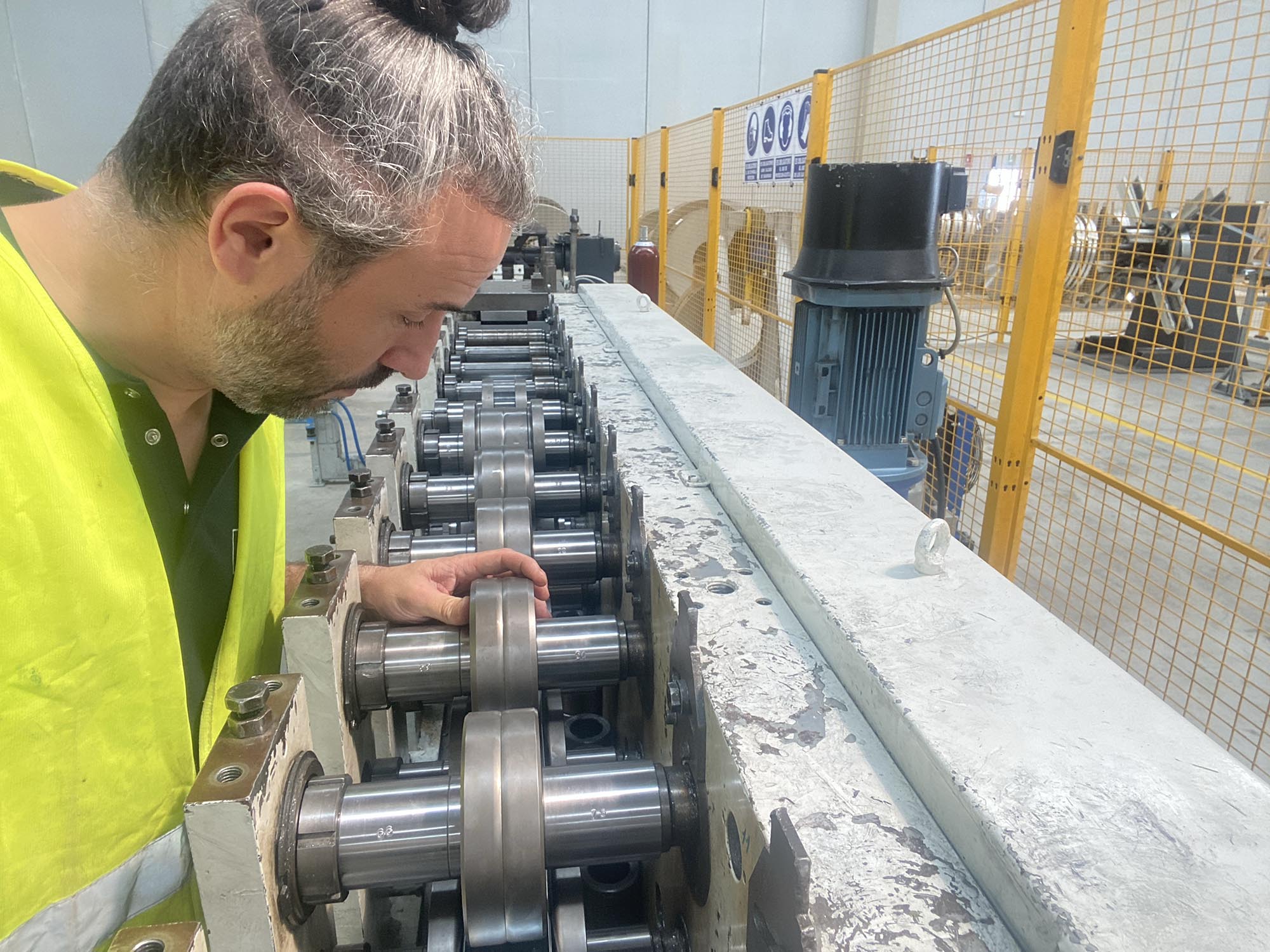 Roll forming cassette reuse: check whether an existing cassette still has a sound technical basis before replacing it.
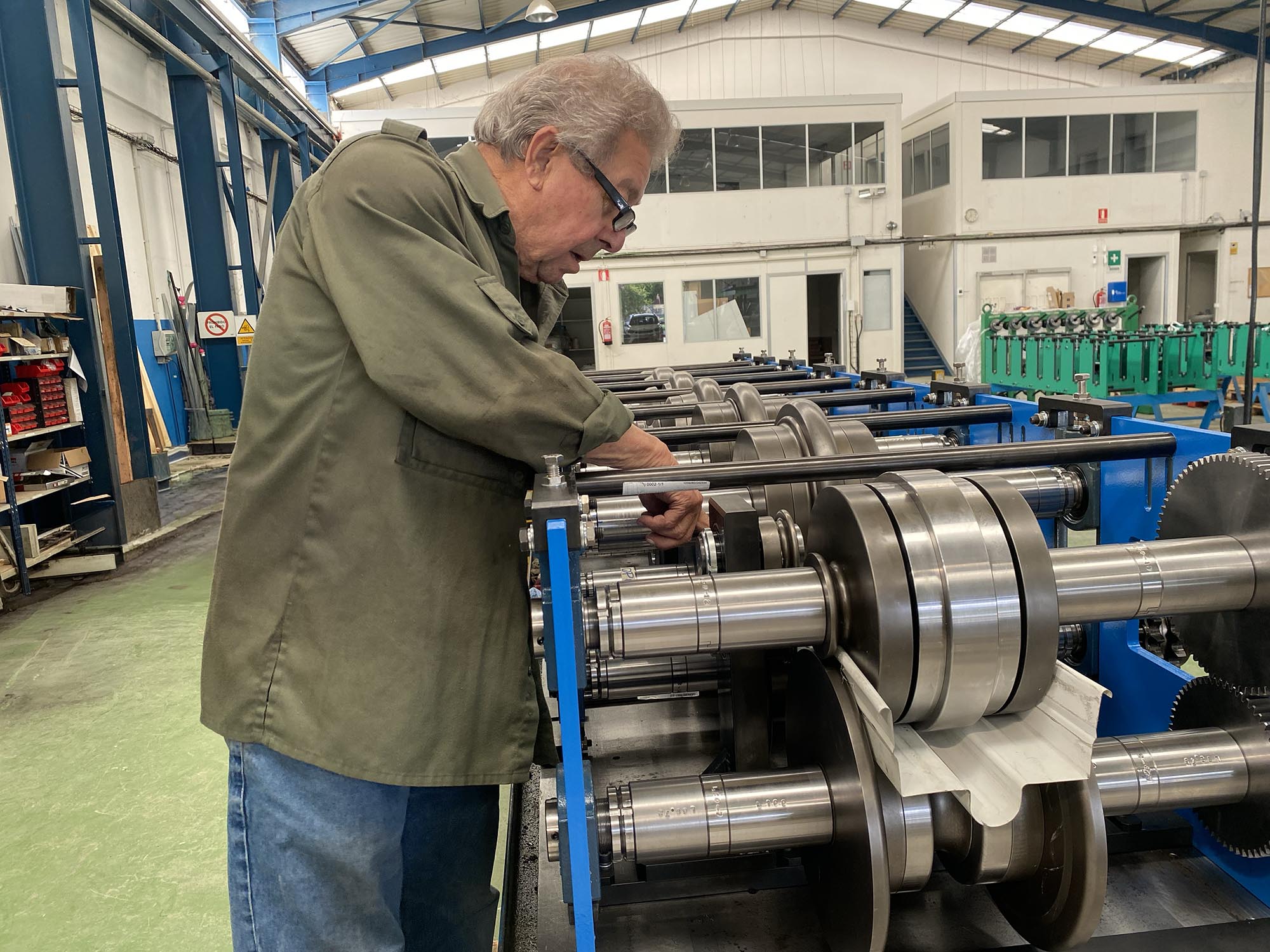 Steel Frame roll forming automation: establish whether the machine can sustain the intended change before adding automation.
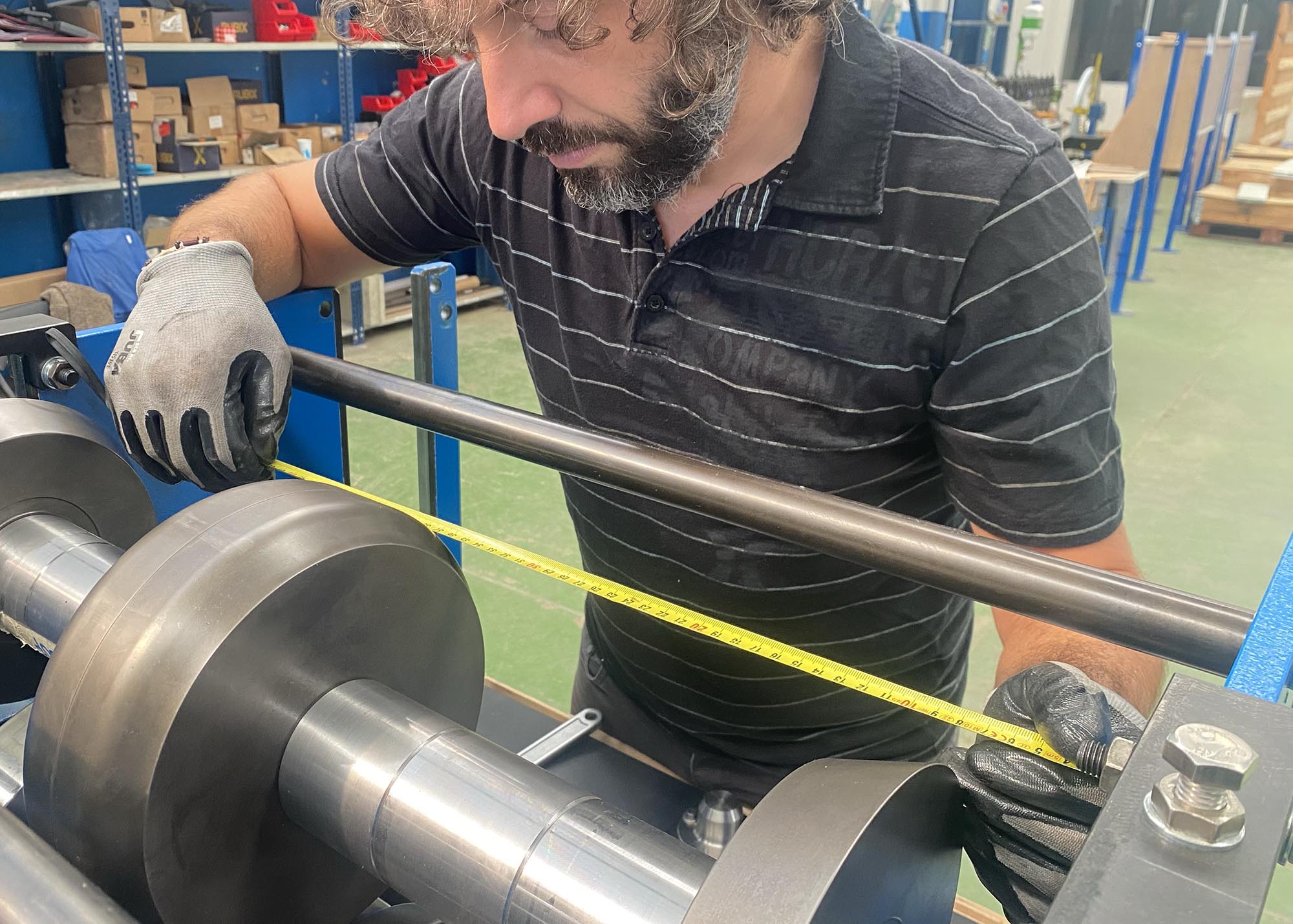 Roll forming process validation: verify the starting data before committing to definitive tooling.
You do not need a finished solution to start a conversation.
A technical discussion may be useful in any of these situations:
- New capacity: define the production capacity needed to enter or grow in Steel Frame.
- New profile range: check whether the profile, process and tooling can support another reference.
- Existing line: find out how far an installation can evolve before replacing it.
- Automation: establish which parts of the current architecture can support the change.
- Reuse: identify valid assets, adaptations needed and process limits.
- Process problem: separate a visible deviation from the cause behind it.
Even if the project is still taking shape, now is the time to test decisions before they become investments.
The plant gives signals before the problem has a name.
A deviation, an adjustment that will not hold, an operation at its limit, or a part behaving differently from expected.
Much of Edu Villalobos’s experience begins with pausing at that point: looking at what is happening in the process before changing a roll, adding an operation or ordering a new machine. FAVARITX turns that observation into a way of working that can be documented, discussed and validated.
A machine that works is not always a machine that is well understood.
Edu Villalobos
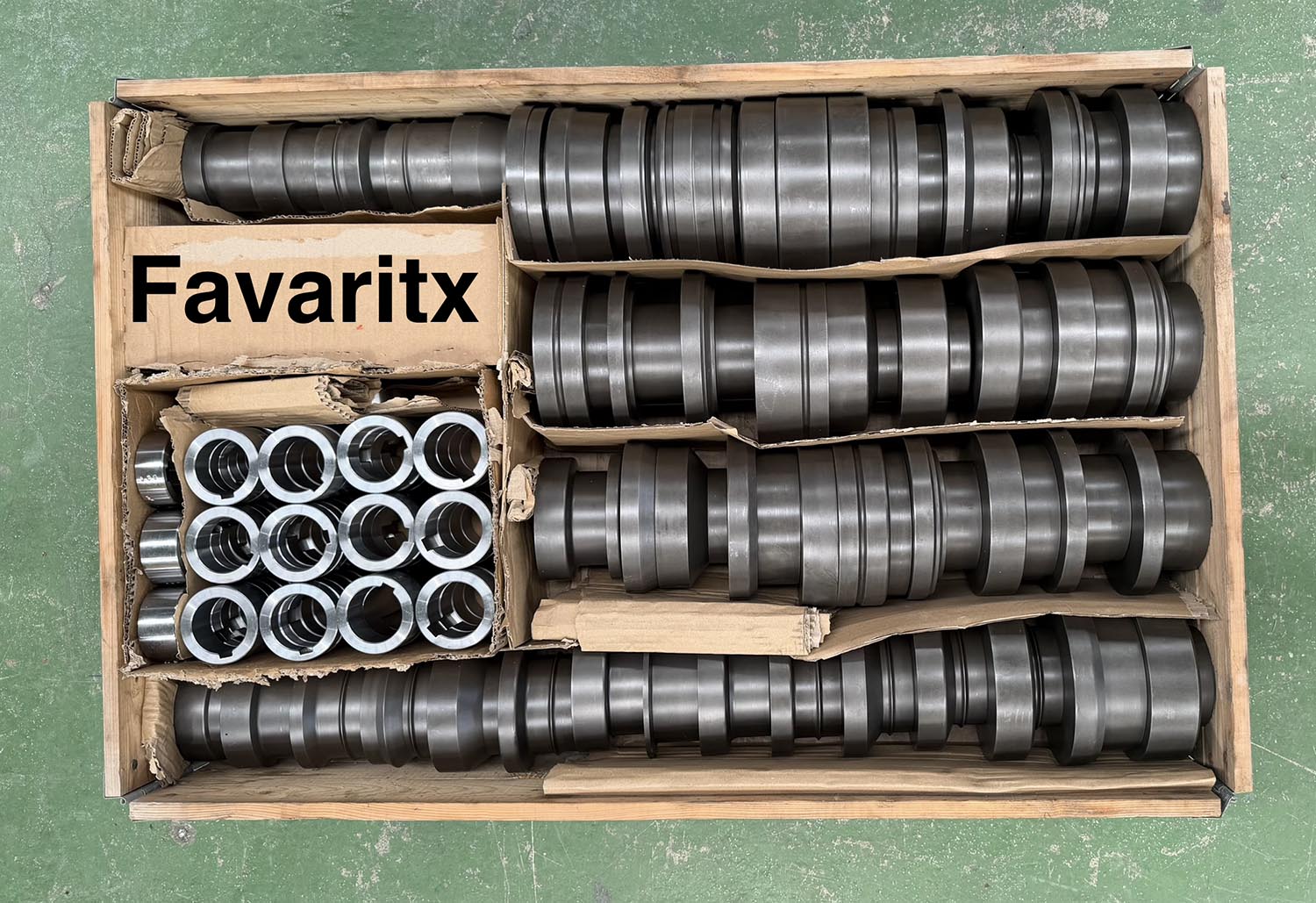
Tell us what you need to make.
Tell us what you are trying to produce, what installation you have, if any, and what decision you need to make. We will start by understanding the context before proposing a solution.